

Nourished by Numbers
A Nutrition Workshop for Women
You can eat “healthy” and still be under-fueling your body.
You can buy 100% grass-fed beef and raw milk.
Stack your protein.
Put egg yolks + collagen in your coffee.
Cut out inflammatory foods.
Run all the functional labs.
Take your third-party tested supplements.
And still miss one of the most foundational pieces of your health.
Giving your body enough energy, in a balanced way, throughout the day.
After working with hundreds of women, the same theme kept showing up.
They were nailing the complicated stuff.
Labs, protocols, supplements, careful sourcing, all of it looked great.
On paper, they were doing everything right.
But they were missing the forest for the trees.
Many of them weren't getting enough energy throughout the day. Others were, but their meals weren't balanced in a way that supported stable energy and metabolic function.
And it was undermining so much of the work they were already doing.
Because “eating healthy” and “eating enough” are not the same thing.
So much nutrition advice focuses on extreme perfectionism + listing out what to remove.
But it misses the question
Is your body actually getting enough energy to do everything you're asking it to do?
Enough to produce energy,
recover from exercise,
support balanced hormones,
grow a baby,
recover from pregnancy,
make breastmilk,
and keep you resilient + thriving?

We don't heal in an energy deficit.
I learned this the hard way when I accidentally proved myself wrong.
I used to think I just had a slow metabolism.
I thought it was my lot in life to eat less than everyone around me if I didn't want to gain weight.
My meals got smaller and smaller until I was eating 1,000 calories per day or less of a very restricted list of foods. My food sensitivities and obsession grew as I got sicker and weaker.
I lost weight for a while. Until it all backfired.My energy tanked. Inflammation crept up. And the weight started coming back anyway.
Even though I was eating perfectly clean and prioritizing protein.
So naturally, I thought I needed to eat even less.
I spent years equating a smaller body with a healthier body, without realizing that chronic under-fueling was laying the groundwork for a slower metabolism and even more depletion and burnout.
Today I track my food to make sure I'm eating enough.
And I have my clients do the same.
We’re not obsessing about calories or hitting perfect macros or making food even more complicated.
We are looking for objective data to show us what our bodies actually need.
And the results I've watched happen from these surprisingly simple changes have been incredible.
More energy,
better digestion,
less inflammation,
better exercise recovery,
more stable blood sugar,
and even weight beginning to normalize.
Sometimes within days.
Our body was created to do incredible things when it actually has the energy to do them.
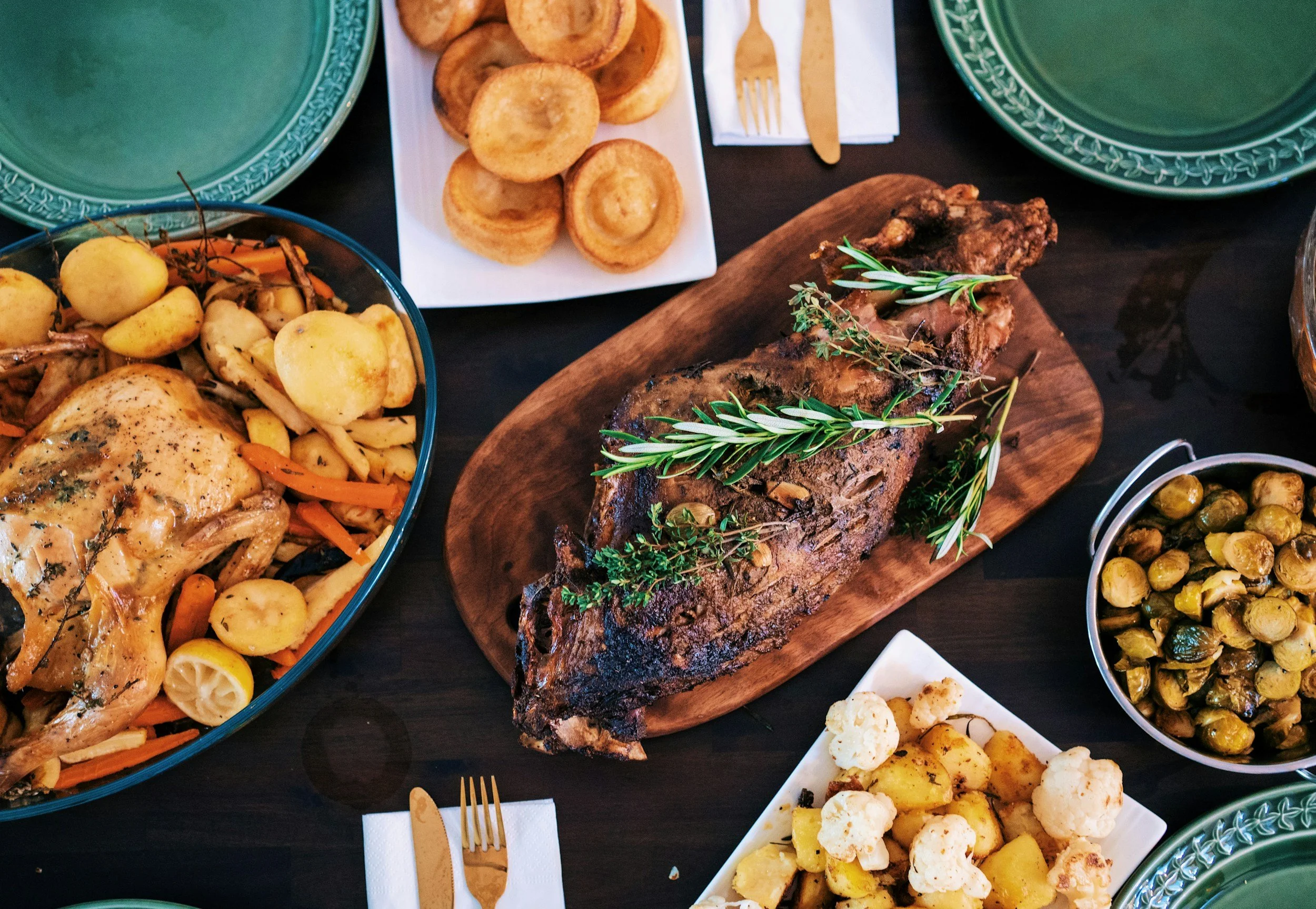
After years of dieting, restricting, intermittent fasting, skipping meals, controlling portions, or simply living through chronically stressful seasons, it can be surprisingly difficult to know what “enough” actually looks like.
Your appetite alone is not a reliable cue, which is why objective data can be incredibly helpful.
Enter Nourished by Numbers.
Inside, you'll learn a simple framework to quickly identify what your body may be missing and make small shifts that support lasting health, stable blood sugar, and a robust metabolism.
Whether you're
preparing your body for pregnancy,
nourishing a growing baby,
recovering postpartum,
nursing,
improving your energy,
supporting your metabolism,
or simply wanting to feel your best,
Nourished by Numbers gives you a clear framework for understanding exactly what your body needs.
Instead of following another restrictive diet you'll learn a practical skill you can use for the rest of your life.
I'm not here to overhaul your nutrition overnight.
I'm going to teach you the exact framework I use with my private clients to identify the changes that matter most.
We'll walk through real food journals together so you can practice identifying strengths, nutrient gaps, and the few changes that make the biggest difference.
Again and again we see that small, intentional shifts can lead to meaningful improvements like
More stable energy
Better digestion
Balanced blood sugar
Improved metabolism and resilience
Better recovery from exercise
Feeling warmer, stronger, and more energized
Easier postpartum recovery
Greater confidence around food
In this workshop, you'll learn how to:
Evaluate your own nutrition.
Use food tracking as a tool for nourishment instead of restriction
Quickly assess whether you're eating enough calories, protein, carbohydrates, fat, and fiber.
Create a gradual, sustainable plan to close the gaps without overhauling your diet.
Identify the common nutrient gaps many women experience.
Recognize where your nutrition is already strong and where a few simple adjustments could make the biggest difference.
Build balanced meals using foods you already enjoy.
Feel confident using nutrition data without becoming obsessive.
Rely more on nourishing foods and less on supplements.

You want to stop second-guessing every meal
You're tired of conflicting nutrition advice
You believe nourishing yourself is one of the best ways to nourish your family
You want to fuel your body well but aren't sure if you're eating enough
You're preparing for pregnancy, pregnant, postpartum, or simply investing in your long-term health
You've spent years dieting and want a healthier relationship with food
You want practical guidance instead of rigid rules
You want to understand your nutrition instead of guessing or relying on meal plans
This class is for you, if…
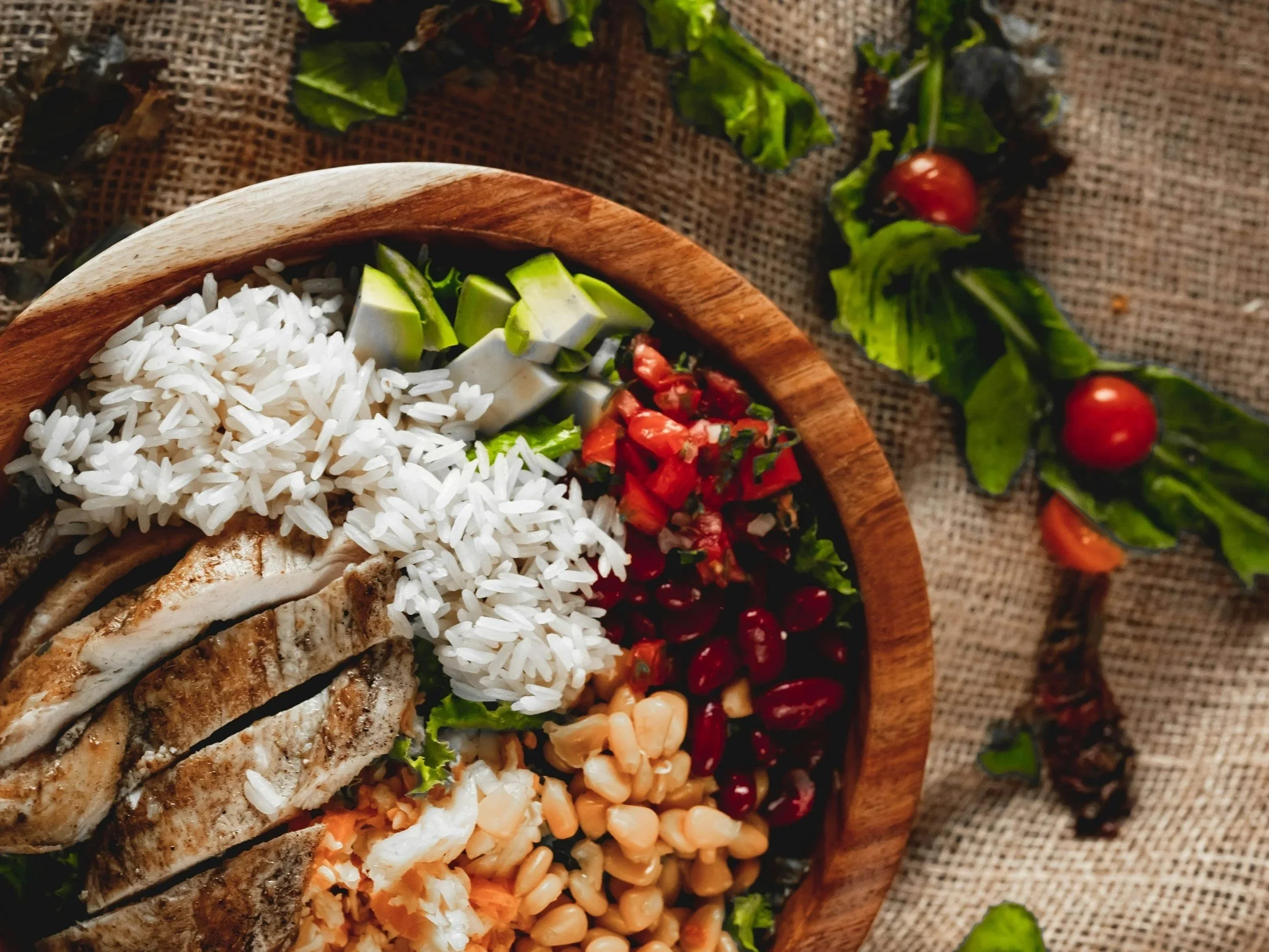
What’s included:
Live online workshop
Lifetime access so you can revisit the framework whenever life or your nutritional needs change
Comprehensive worksheet to assess your nutrition and apply what you learn
Live Q&A and coaching (bring your food journal, if you’ve already got one)
Entry to win a free Nourishment Review ($197 value) for live attendees
You don't need to eat perfectly, another set of food rules, or to count calories forever.
Nourishment is about knowing how to give your body what it needs to thrive.
Join me for Nourished by Numbers and learn how to fuel your body with confidence.
What my students are saying…
“Nourished by Numbers was incredible - I loved how it was zero fluff, straight and to the point with actionable steps to calculate total energy expenditure, compare it to a few days of food tracking and then figure out my baseline.
My husband and I both did our calculations and were surprised at some of our outcomes!
I love that we have very specific actionable steps (like gradually supporting our carb to protein ratio, and portioning out our meals in a more balanced way) to support our metabolisms.
Can’t wait to see where it takes us with these little shifts. Thanks Justine for an awesome crash course on supporting our metabolisms.
- Lexie -“This quick and straight-to-the-point course was exactly what I have been needing and wanting!
It was SO helpful to get some guidance about how much protein, carbs, and fat most women need each day, based on one’s weight and health goals.”
- Madelyn -“Even feeling relatively familiar with pro-metabolic concepts, I found Justine’s course to be refreshing and informative. I had several “lightbulb” moments and walked away with clarity on my next steps!”
- Susanna -“Tracking has been helpful to me because I have had a history of under fueling my body.
I feel better when I am eating more whole food carbs and it has helped me see just how much volume of those foods(whole grains and fruits especially) I have to eat to get enough calories.
Tracking with the mindset of fueling my body properly instead of restriction in order to lose weight has been much less triggering for me.”
“Utilizing food tracking has been an eye-opening experience.
I knew I had a problem with undereating, as I would not always even get three meals a day, but I did not know just how much of a deficit there was even when I ate all three meals!
Tracking has allowed me to make sure I'm getting enough energy in each day, as well as not having an over-reliance on fat as an energy source, which I did.
Learning to track my food has allowed me to have a sense of direction for my food journey, and focusing on the energy/intake side of things has felt approachable to me, where tracking food intolerances in the past has not.”
- Paul -“Tracking my food was very eye-opening to me.
I always thought that my diet was 'healthy,' but tracking closely for several days helped me to see what I was lacking and what I was over-consuming.
It has helped me to make shifts in my diet and to make more mindful decisions about what I put in my body."
- Abby -